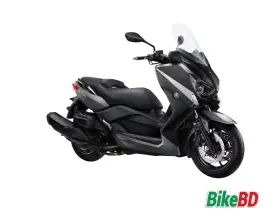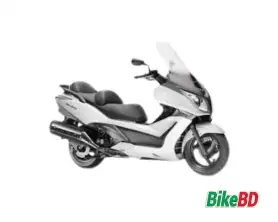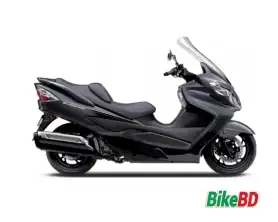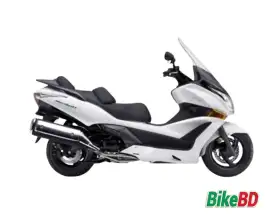
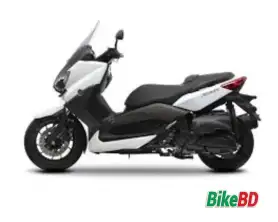
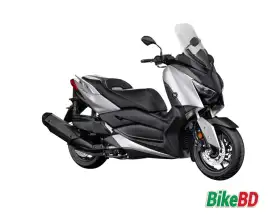
Honda Silver Wing GT 400 2016 VS Yamaha X-MAX 400 ABS 2014
Honda Silver Wing GT 400 2016 VS Yamaha X-MAX 400 ABS 2014 Specifications
Bike Information
|
Bike Name: |
||
|
CC: |
400 |
400 |
|
Regular Price: |
0 BDT |
0 BDT |
|
Bike Type: |
Maxi Scooter |
Maxi Scooter |
|
Distributor/Seller: |
|
|
|
Model Year: |
2016 |
2014 |
|
Brand Origin: |
Japan |
Japan |
|
Made In: |
|
|
|
Assemble In: |
|
|
Engine
|
Engine Type |
Twin, four-stroke |
Single cylinder, four-stroke |
|
Maximum Power |
38.22 |
30.44 |
|
Maximum Torque |
37 |
33.8 |
|
Bore |
64.0 mm |
83.0 mm |
|
Stroke |
62.0 mm |
73.0 mm |
|
Compression Ratio |
|
10.6:1 |
|
No of Cylinders |
|
|
|
Valves |
|
|
|
Fuel Supply |
Fuel Injection (PGM-FI) |
Fuel injection |
Transmission
|
Transmission Type |
Auto |
Manual |
|
No of Gears |
0 |
0 |
|
Clutch Type |
Automatic Clutch |
Automatic Clutch |
Chassis & Suspension
|
Chassis Type |
Center backbone, steel tube |
Steel |
|
Front Suspension |
41mm hydraulic fork |
Telescopic fork |
|
Rear Suspension |
Swingarm with dual hydraulic shocks with five-position spring-preload adjustability |
Unit swing |
Brakes
|
Front Brake Type |
Single Disc |
Single Disc |
|
Rear Brake Type |
Disc Brake |
Disc Brake |
|
Front Brake Diameter |
240 mm |
|
|
Rear Brake Diameter |
|
|
|
Anti-Lock Braking System (ABS) |
Dual-Channel |
Dual-Channel |
Wheels & Tires
|
Front Tire Size |
Dual-Channel |
Dual-Channel |
|
Rear Tire Size |
150/70-13 |
150/70-13 |
|
Tubeless Tires |
tubeless |
tubeless |
Dimensions
|
Overall Length |
|
2190 Mm |
|
Overall Width |
|
780 Mm |
|
Height |
|
|
|
Ground Clearance |
|
105 Mm |
|
Weight |
247.0 kg |
215.0 kg |
|
Fuel Tank Capacity |
16.00 litres |
14 L |
|
Wheelbase |
1596 Mm |
1565 Mm |
Electricals
|
Battery Type |
mf |
mf |
|
Battery Voltage |
12V 4Ah |
12V 3Ah |
|
Head Light |
Halogen |
LED |
|
Tail Light |
halogen |
halogen |
|
Indicators |
halogen |
halogen |
Features
|
Speedometer |
digital |
digital |
|
Odometer |
digital |
analog |
|
RPM Meter |
Digital |
Analog |
|
Handle Type |
Scooter Type |
Conventional |
|
Seat Type |
Single-Seat |
Single-Seat |
|
Passenger Grab Rail |
yes |
yes |
|
Engine Kill Switch |
no |
no |
Above mentioned information may not be 100% accurate. We collect information from manufacturer website and other reputed sources. Please inform us if you have found any mistake or wrong information.
Compare with similar bikes
Bike comparisons by our experts
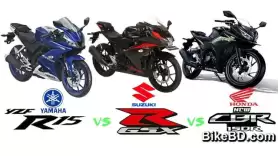
Yamaha R15 V3 VS Suzuki GSX-R150 VS Honda CBR150R Comparison Review
-
2017-10-13 20:27:52 -
Saleh
Yamaha R15 V3 VS Suzuki GSX-R150 VS Honda CBR150R Comparison Review
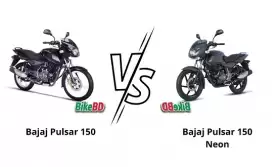
pulsar 150 vs pulsar 150 neon difference
-
2022-02-02 02:17:00 -
imran
You can check out the full specification of both the Bajaj Pulsar 150 and Bajaj Pulsar 150.

Honda CBR150R-ABS VS Yamaha R15-V3-ABS Feature Comparison
-
2020-03-14 01:05:12 -
Arif Raihan Opu
Honda CBR150R-ABS VS Yamaha R15-V3-ABS Feature Comparison
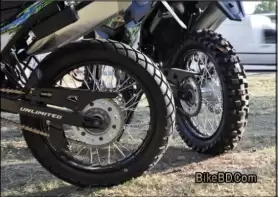
Motorcycle Tire - Tubed vs Tubeless Tire Advantage & Disadvantages
-
2019-09-15 02:59:37 -
Arif Raihan Opu
Choosing between tubed and tubeless motorcycle tires? Learn the advantages and disadvantages of each in our detailed guide on BikeBD.
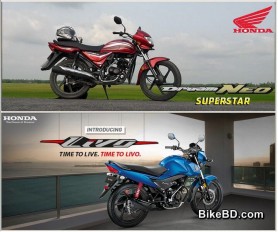
Honda Dream Neo VS Honda Livo 110 Comparison Review
-
2018-05-05 20:50:50 -
Ashik Mahmud
Honda Dream Neo VS Honda Livo 110 Comparison Review
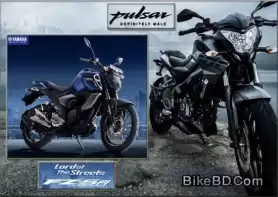
Yamaha FZS-FI V3 VS Pulsar NS160-FI Comparison Review
-
2019-10-03 07:01:36 -
Arif Raihan Opu
Yamaha FZS-FI V3 and Bajaj Pulsar NS160-FI redefine the 150cc segment. Both feature advanced brakes, suspensions, and differ in power, FZS-FI V3 at 13 BHP, NS160-FI at 14.8 BHP. Choose based on your preferences.